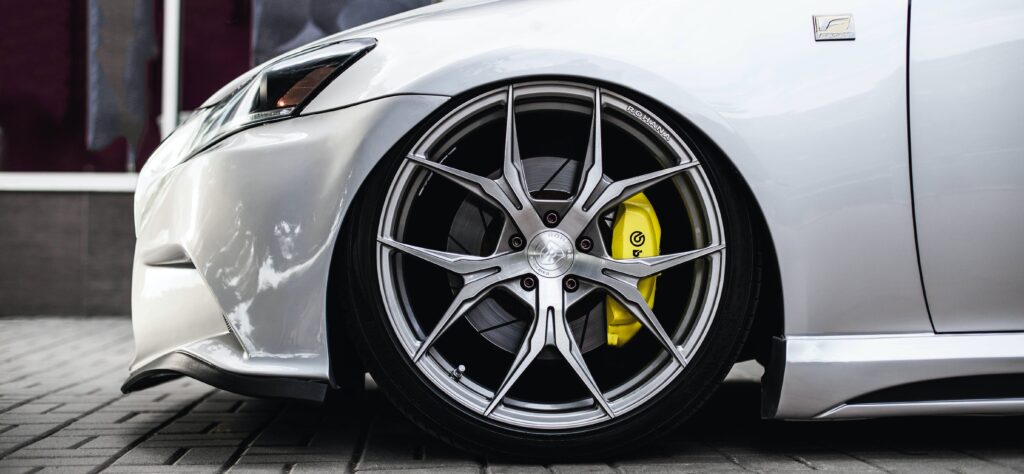
Wheels may seem like the simplest component of a car. But leading manufacturers are constantly researching and developing the latest and greatest manufacturing techniques, researching the strongest and lightest materials to incorporate into their manufacturing process. Wheels are a huge commitment, both technically and aesthetically. Here’s a quick look at the most popular variations of modern cars and how manufacturers make them.
Steel
Steelies are as simple as a wheel can get. Steel wheels pressed from billets of steel using powerful hydraulics have been standard on most budget cars for decades and dominated before alloy wheels became cheap to manufacture. Steel is a harder metal than most other wheel materials. But this strength brings with it an increase in weight when compared to the likes of aluminum.
The basic manufacturing method of steel wheels means little flexibility in design and artistic touch. The various parts of the wheel are extruded and assembled into a ready-to-use finished wheel after enough welds have been done. This construction means that the only real way to implement various designs is through holes outside the wheel, whether for strategic airflow for brake cooling or much-needed aesthetics.
Alloy Wheels
Alloy was reserved for the top models in the manufacturer’s range until the last decade. It can now be fitted to nearly any city hatchback on the market if desired. Alloy wheels based on mixed nickel aluminum or magnesium construction offer a much lighter package than steel wheels of the same strength and are fully cast by pouring molten metal into a pre-designed mold can.
Unsprung mass is a term you’ve probably come across before. Determines the mass of the suspension components, brakes, wheels, and other components not supported by the suspension. The lack of unsprung mass improves handling as the suspension interacts with uneven road surfaces in a controlled manner and handles reaction forces from the road surface much more efficiently. This is one of the main reasons performance cars have switched to alloy wheel. The lightweight construction helps the car’s acceleration and overall dynamics.
Reducing the amount of nickel in the alloy makes the wheel more supple and compliant. While this design freedom has resulted in some nice alloy wheels over the years. The softer materials also open the door to some pretty disastrous post-nicking results.
Multi-Piece
The most famous BBS wheels can consist of two or three basic components. A two-piece wheel consists of the wheel’s face (or center), and the rim (or drum) held together by a rim bolt that runs around the center of the wheel. A sealant ring is applied to the joint to secure the section further.
Three-piece wheels take this a step further, splitting the wheel rim into two parts to allow some degree of wheel width adjustment. With all that fuff, multi-piece wheels are inherently heavier and slightly weaker than their single-piece variants. Companies like BBS are pushing their multi-piece wheel strength to within the range of single-piece forgings. We have developed a “Rolling Rim” function that pulls up wheel by tempering a once-weak metal.
Forged Wheels
Some of the strongest wheels on the market are formed by forged aluminum technology. By subjecting an ingot of the material to tremendous heat and pressure of about 900 bars and crushing the metal into a very dense and strong wheel. The incredible compression of forging makes these wheels extremely light and many times stronger than a comparable cast wheel.
There are many other niche types; the rim set can suit every need – daily use, a day or two on the track, or the occasional off-road ride. With the wide variety of materials and manufacturing techniques available to manufacture wheels, the perfect combination is around you.
Kwikkar Lewisville, Passion For Excellence, contact us now:+1 (972) 318-0234