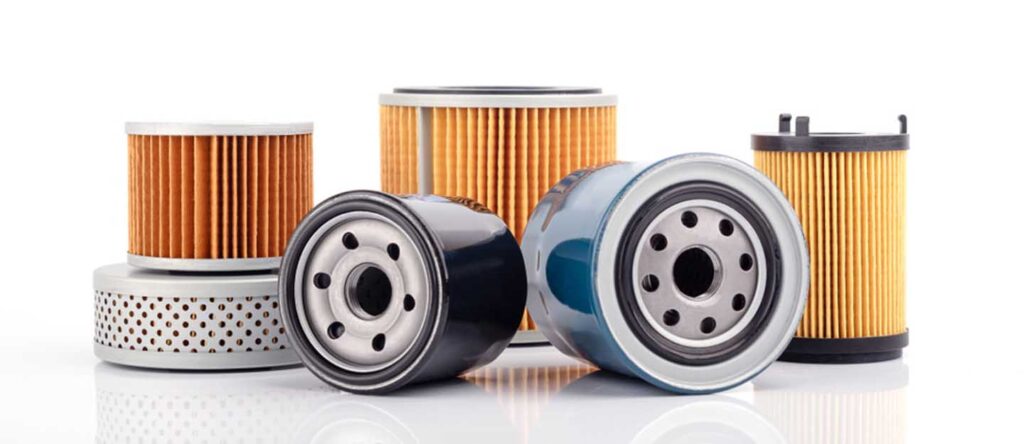
Fuel filters are essential components in gasoline and diesel internal combustion engines. Filter systems are crucial for maintaining engine performance in modern fuel injection systems. Fuel filters remove dirt, debris, metal chips, and other impurities while allowing sufficient fuel flow. Contaminated fuel can harm your car’s engine by causing sudden changes in speed, loss of power, stalling, and misfiring.
Diesel engines are sensitive to even the slightest amount of dirt. As fuel drains from the tank, the fuel passes through a filter that traps foreign matter. Some newer vehicles use a strainer built into the fuel pump instead of a filter.
Signs that you need to change the fuel filter
In the past, the average lifespan for these filters was limited to about 30,000 to 60,000 miles. The recommended interval for replacing your fuel filter can vary from 30,000 to 150,000 miles. Also, It’s important to recognize the signs of a damaged filter and promptly replace it to prevent engine issues.
Signs that it’s time for a replacement:
- Hard starting
- Stalling or rough idling
- Poor acceleration, faulty or loud fuel pump
- An illuminated check engine light increased fuel consumption
Things to consider when choosing fuel filters
OE compliance and compatibility
It is advisable to look for trusted brands that ensure strict compliance with the standards and specifications of manufacturers, as the components need to perform as efficiently as the original parts. Popular aftermarket brands like Ridex and VALEO offer full compliance at more affordable prices. Product descriptions normally include compatible vehicle models and OEM numbers for reference. This should make it easier to determine which part is right for you.
Quality materials
Most car engines use a screen mesh or pleated paper filter element. Filtration screens are usually made from a polyester or metal wire mesh, while pleated inserts are typically made from polymer resin-treated cellulose or polyester felt. Pleated filters have the main advantage: they can trap even the finest particles and are cheap to produce. Mesh components, conversely, are often reusable and offer higher fuel flow rates, reducing the risk of fuel starvation. The quality of the rubber seals will also affect the component’s performance.
Design
Like air and oil filters, multiple fuel filter types and installation methods exist. The most common include in-line, in-tank, cartridge, canister and spin-on components. Spin-on filters became popular due to their convenience. The sturdy metal housing protects the internal components and is very easy to install without specialist tools.
Fuel type
Filters are specially designed for gasoline or diesel engines. Diesel parts typically feature bowl-shaped housings, drain valves, and large gaskets. The sample products used above are only suitable for diesel applications of automotive brands such as Fiat, Ford, Peugeot and Volvo. The seal has a diameter of 101 mm and a height of 75 mm.
Kwikkar Lewisville, Passion For Excellence, contact us now:+1 (972) 318-0234