What happens when you do not change your engine oil?
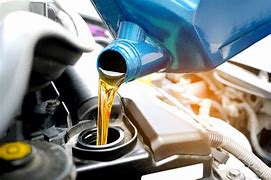
What could go wrong?
It is a situation we’ve all faced. Life has a way of interfering with your plans. Work pressures, family duties, and a snowstorm of little tasks have left you overwhelmed. You see the reminder sticker on the corner of your windshield one day while sitting in rush hour traffic.
An oil change is long overdue.
Bringing your vehicle in to the shop, on the other hand, is the last thing on your mind. You could even feel pressed for time throughout the week to have an oil change. “I could go another several hundred miles without changing my oil, right?” you reason. What is the worst that can happen?
The reality is that there is a great deal. If you put off or ignore your upcoming oil change, you might land with severe consequences.
Here is what could happen:
Wear of Components
Many moving elements, such as pistons and valves, make up an engine. The lubricating characteristics of your engine oil assist and safeguard these parts by minimizing friction. Engine oil may degrade after the prescribed oil change period. It will fail to protect the components from friction, resulting in wear and damage.
Over-Heated Engine
Cooling the engine with just your coolant system is insufficient. Engine oil is also crucial since it can get to places that coolant cannot. Because of the exposure to elevated temperatures, motor oil breaks down and thickens as it gets older. The oil’s thermal breakdown stops it from absorbing heat, which can cause the engine to overheat, gaskets to blow, and components to wear out and warp.
Dirt Buildup
Engine oil cleans the interior of the engine as well as lubricates and cools it. It cleans the air by removing microscopic trash and particles. This debris can accumulate over time and cause the oil passages to get clogged. It reduces the engine’s lifespan. The engine will have to work harder because of the buildup of dirt, resulting in a loss of power. When an engine’s oil is not changed for an extended period, it begins to gel or harden, eventually turning to sludge. When this occurs, the oil will be unable to reach all engine sections, resulting in oil starvation in the crankshafts, bearings, camshafts, and other valve train components. It might cause the engine to suffer catastrophic damage that it needs to get replaced.
Increased Fuel Consumption
The engine will have to work harder when the engine oil thickens and becomes sludge. For the same level of power, you will require more gasoline. This 1% to 2% increase in gasoline use could have an enormous impact. Additionally, when old engine oil burns, your car may emit toxic smoke into the surroundings.
Voided Car Warranty
If you follow the manufacturer’s suggested maintenance, your car’s warranty will be protected. The warranty will be invalidated if you do not get it serviced properly. If your engine is damaged, you may face expensive charges that the manufacturer will not cover.
When compared to the cost of repairing a damaged engine, getting an oil change, and replacing your oil filter is a far better deal. Your car’s lifespan will be increased by using high-quality engine oil that is changed at regular intervals. Apart from gasoline, engine oil is an essential fluid for your vehicle, so be sure you choose the prop.
the resource (rymax-lubricants.com)