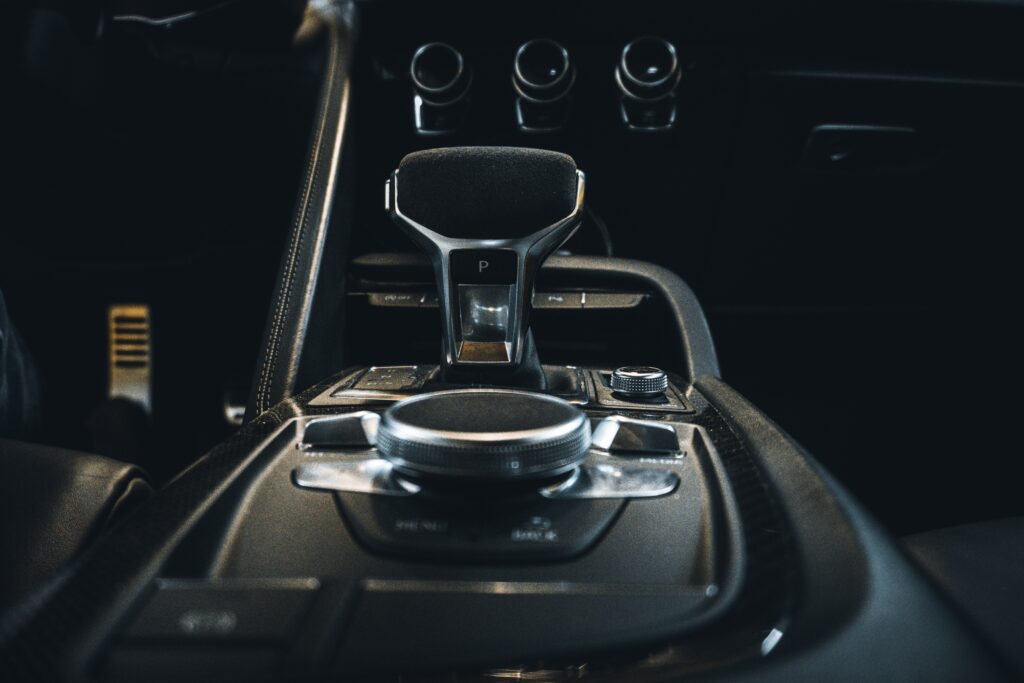
Gearbox versus Transmission
A gearbox is unequivocally what it seems like: a case of cogwheels. A transmission, then again, is a more exhaustive term that alludes to every one of the gadgets that increment or decline the turning power a motor provides to the wheels. It is a delegate between the motor and the wheels.
A transmission comprises two indispensable congregations: a coupling gathering and a gearbox.
How does transmission function?
A motor has a few sections that perform direct (straight-line) or rotating movement when fuel is scorched. One such part is the driving rod. It associates with different pieces of the motor and is answerable for transmitting the energy of burning to movement, As fuel consumes in a motor, the driving rod pivots to create turning power or force. Then it moves to the wheels. Nonetheless, the force created by a motor is rarely enough, for instance, to get a vehicle going from a stop or on a slant.
Force tweak:
It is required. The transmission, as expressed prior, is a middle-person gadget between the motor and the wheels and successfully serves this capability. Force adjustment is accomplished by choosing properly estimated gears from those accessible in the gearbox. Aside from force tweak, gearboxes likewise empower drive inversion; at the end of the day, suitable equipping permits wheels to move backward instead of exclusively pushing ahead.
What are the various kinds of transmissions?
Vehicles outfit with either a manual or programmed transmission.
A manual transmission depends on the driver to draw in/withdraw the grasp and change gears through a switch.
Race vehicle drivers depend on a manual transmission as it permits them to extricate the greatest speed increase from each staff and furnishes them with more command over the vehicle.
Nonetheless, for day-to-day driving, they are instruments of weariness. This aggravation prompted the improvement of programmed transmissions. The problem of changing gears relates to electromechanical frameworks.
Generally found, programmed transmissions incorporate force converter-based transmissions, Robotized Manual Transmissions (AMTs), Double Grip Transmissions (DCTs), and Constantly Factor Transmissions (CVTs).
They empower the driver to voluntarily change gears with the snap of a button without drawing in and separating the grip.
The fate of transmission
Gearboxes have an innate weakness: the accessibility of force. It’s simply accessible up to specific RPMs, past which driving the motor ahead will bring about mechanical disappointment.
Enter electric engines.
Having carried the gas-powered motor close to eradication, the transmission’s demise is likewise impending. because Electric engines provide top force figures reliably.
because electric vehicles coming into the standard auto domain and vehicles inevitably become proficient sofas on a wheel.