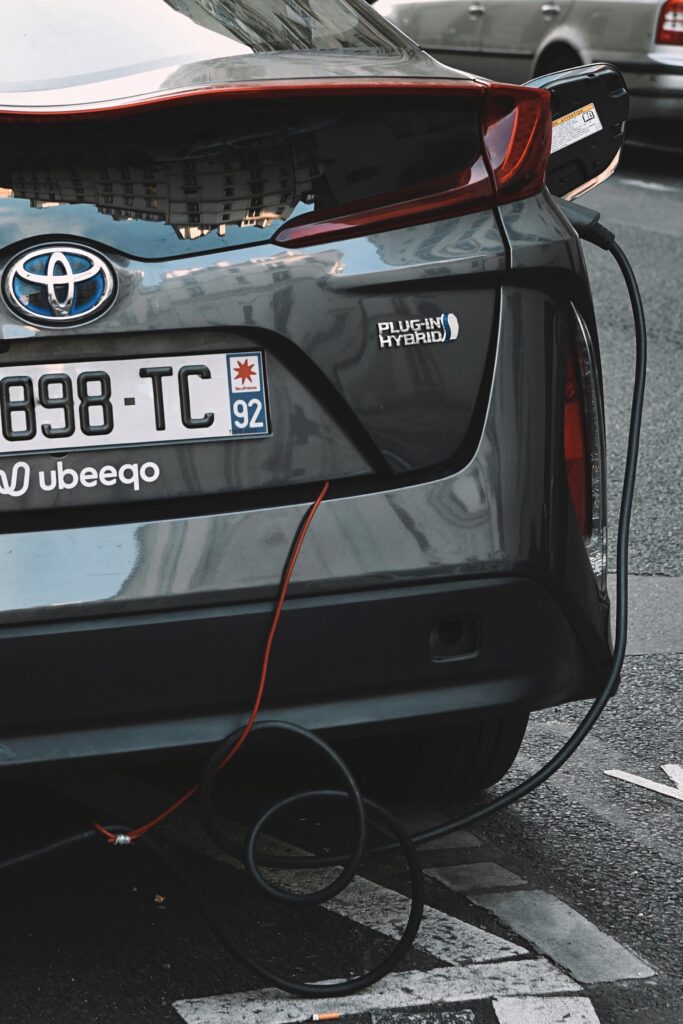
Hybrid vehicles are becoming more popular and common. A hybrid car is a car that uses two or more engines: an electric motor and a conventional engine (gasoline or diesel). The electric motor propels the car at low speeds, while the petrol engine propels it at high speeds. Hybrid vehicles like the Toyota Prius and Honda Civic Hybrid save fuel and reduce CO2 emissions. Hybrid cars are becoming increasingly popular, but only a few people use them due to a lack of knowledge about how hybrids work and whether they are as good as other petrol cars.
Advantages of Hybrid Cars
Here are the top advantages of having hybrid cars
Environmentally friendly.
One of the biggest advantages of hybrid vehicles over gasoline vehicles is that they are cleaner, more fuel-efficient and environmentally friendly. Hybrid vehicles have dual engines (gasoline engines and electric motors) to save energy by consuming less fuel.
Financial benefits.
Hybrid vehicles are backed by several credits and incentives that help make them affordable. Annual tax savings and congestion tax exemptions come from reduced fuel costs.
Depending less on fossil fuels.
Hybrid cars are much cleaner and use less fuel to drive, resulting in lower emissions and less reliance on fossil fuels. However, This will also help lower gasoline prices in the domestic market.
Regenerative braking system.
Each time you step on the brakes while driving a hybrid vehicle, the battery gradually charges. An internal mechanism captures the released energy and uses it to charge the battery. This eliminates the time and needs for regular battery charging.
Automatic start and stop.
In hybrid vehicles, the engine automatically turns off when idling and starts when the accelerator pedal is pressed. PHEVs can travel faster and longer distances than conventional hybrid vehicles. Hydrogen fuel cell vehicles have lower energy emissions as they only emit water vapor and warm air.
Disadvantages of Hybrid cars
There are downsides to owning a hybrid car, probably not the ones you think—no problems with mountain driving or towing. The drawback depends on the type of hybrid fuel the vehicle uses.
Here are a few of the disadvantages of hybrid cars :
Less power a hybrid car has a twin engine.
The petrol engine’s main propulsion is much smaller than a single-engine vehicle, and the electric motor is low-powered. Combined performance is often inferior to gasoline engines. Therefore, it is suitable for city driving, not speed and acceleration.
It can be expensive.
The biggest drawback of hybrid cars is the potential for holes in your pockets. Hybrid cars are relatively more expensive than regular gasoline cars, costing $5,000 to $10,000 more than the standard version. However, lower operating costs and tax exemptions can offset this additional amount.
Poorer handling.
Hybrid vehicles have gasoline engines, lightweight electric motors and powerful battery packs. This adds weight and requires additional space in the vehicle. The added weight translates into inefficient fuel consumption, and manufacturers are cutting weight. This results in a smaller engine and battery and less suspension and body support.
Accidents from the high voltage in batteries.
In an accident, the high voltage present in batteries can be life-threatening. In such cases, electrocution is likely, and the task of rescue workers getting other passengers and drivers out of the vehicle can be complicated.
Battery disposal and recycling batteries.
They have reached the end of their useful life and can be recycled to obtain viable materials for reuse. This removes waste from the environment. However, the main recycling problem lies in vehicle batteries’ recovery rate.
Kwikkar Lewisville, Passion For Excellence, contact us now:+1 (972) 318-0234