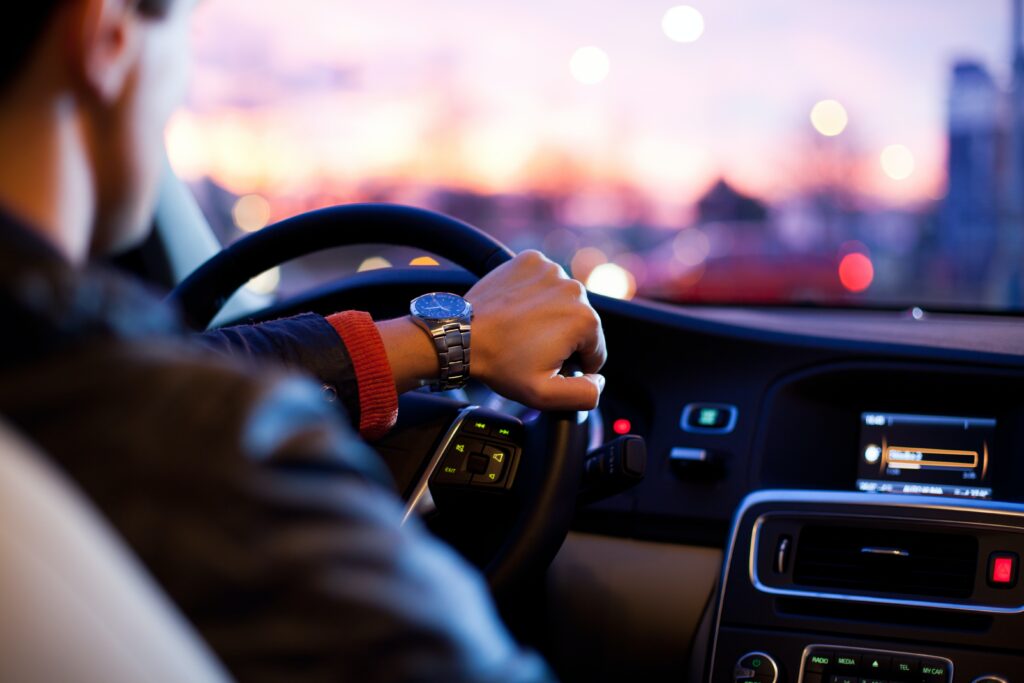
Part of owning and driving a car is paying all the associated costs. There are some costs that remain largely unchanged, such as: Car payment or insurance. One of the most variable costs that drivers can control is their gasoline budget. Each vehicle has a specific fuel economy estimate given at the time of manufacture and is affected by other factors. If you want to improve your car’s gas mileage, consider some of these changes.
1. Accelerate slowly
When the light turns green, are you the type to go full throttle? If so, this will burn a lot of gas over time. Instead, accelerate slowly and gradually run out of gas, leaving the fuel in your car. Extend the life of the fuel in your car.
2. Brake slowly
If you step on the gas pedal and then apply the brakes hard, all the gas in the system is wasted instead of being used. Instead, as long as it is safe to do so, do not press the accelerator and let the vehicle slow down naturally before applying the brakes.
3. Keep tires properly inflated
Physics shows that sagging tires can slow the car down and add a little drag. When the tires are properly inflated, the ground surface is perfect for driving and you can ride more. You can get a roll. The amount of tread on your tires can also make a big difference. This is because manufacturers try to keep the vehicle from slowing down while still gripping the road.
4. Use the right fuel
When manufacturers test vehicles to determine fuel economy, they use the highest quality fuel in their cars. If you still have the owner’s manual in your car, it should list the recommended fuel type for fuel economy and optimum performance.
5. Avoid idling Gas
One of the worst things about burning gasoline is idling. Whether you’re stuck in traffic or just cruising down a driveway, try to limit the amount of time you spend idling. This uses gas, but it doesn’t add to your mileage, it reduces the mileage you get from your gas tank.
6. Limit stopping and going
Choosing a route with lots of stop signs, intersections, toll booths, or road construction can result in many stops and starts. This consumes more gas than finding a one-time-drivable route like: Highway. Do some planning by researching the best route in advance and adjusting the settings on your GPS device.
7. Use Cruise Control
When driving on long roads, your speed may increase or decrease rapidly. As mentioned earlier, the best way to increase your mileage is to keep your car moving once it starts. The cruise control settings allow the car to keep its optimum pace without the driver having to pay as much attention to acceleration and deceleration.
By recognizing small changes, drivers can pay more attention to their overall driving behavior. Developing better driving habits can also help improve driver safety and extend vehicle life. Using less gas is better for the planet and your wallet. Better gas mileage performance might save you a few bucks on the pump, but those savings add up over time and make a big difference.When drivers follow all these tips, they become more responsible overall.
Kwikkar Lewisville, Passion For Excellence, contact us now:+1 (972) 318-0234