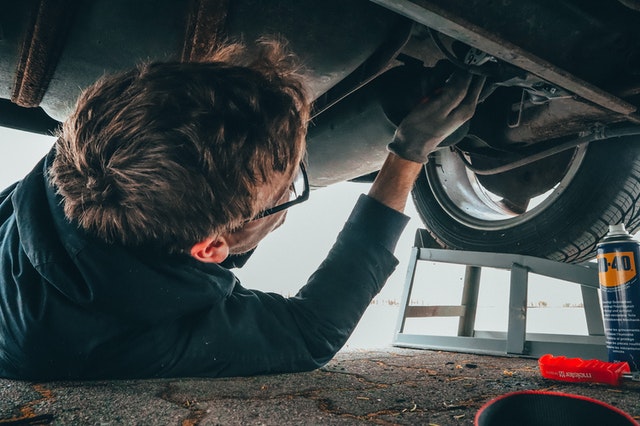
Did you know there’s a lot more to do with maintaining your engine than just getting your oil changed? You can have peace of mind when you bring your vehicle for your oil change because we perform a complete inspection with each oil change interval alerting you to any safety concerns or leaks that we find that could cause costly repairs if allowed to worsen. Keeping your car’s engine properly maintained will save you money now and later on down the road, Engine repair service can be done in kwikkar-lewisville .
A little bit of attention in all the areas of maintenance for your valuable engine will keep you running for hundreds of thousands of miles without needing to replace the engine. We do perform all types of engine repair and replace entire engines as well.
Our philosophy is to educate each of our customers about the proper care and common sense maintenance to avoid costly engine repairs or replacements. We’ve helped many customers enjoy a safe and reliable vehicle well over 200,000 miles without major engine repairs simply by paying attention to:
Oil Changes
We recommend changing your oil every 3,000 miles when you use standard oil or 5,000 miles if you are using synthetic Mobil1 because we’ve seen firsthand the damage that occurs from following the manufacturer’s recommendations of extended service intervals. Most oil change reminder lights will allow you to go 5,000 to 10,000 miles before they alert you it’s time for a change. you will see an excessive buildup of sludge in some very sensitive areas inside your engine and cause them to starve for oil supply. When this happens, damage to internal engine bearings, Variable Valve Timing (VVT) components, engine valves, camshafts, crankshafts, push rods, rocker arms, and timing chain assemblies.
Driving your vehicle an average of 10-12,000 miles per year usually means a lot of short trips to the store, work, school, and kids’ activities. Coupled with longer idle times and often wild temperature swings that could easily go from 30 degrees in the morning to 70 in the afternoon is a recipe for the internal engine build-up that will clog your oil passages much like plaque clogs arteries.
Engine Tune-Up
Most engines these days come with platinum or iridium-tipped spark plugs that have an expected life of up to 100,000 miles. But those estimates are based on laboratory testing and don’t take into account the driving conditions . Our experience has shown that changing them around 60,000 miles will greatly reduce the strain old worn-out spark plugs puts on the rest of your ignition system like ignition coils, control modules, and spark plug wires. Not to mention the corrosion that builds up in the threads of the steel spark plugs that are screwed into an aluminum engine. These two dissimilar metals coupled with a lot of heat and combustion chamber gasses add up to the likelihood that some damage could occur when the spark plugs are left in the engine for 100,000 miles and more.
Timing Belt
Some vehicles come equipped with a timing belt that is made of rubber much like your alternator or air conditioning belt, but much heavier to handle the strain your engine is under. Your car’s timing belt makes sure the camshaft and valves stay in sync with the pistons. When it breaks or slips due to normal wear and tear, the pistons can collide with the valves causing damage to these critical components. It’s always cheaper to replace a timing belt before it’s broken, so a little preventive maintenance will save you many hundreds of dollars. Most manufacturers recommend 60,000 to 90,000 mile intervals, so let us know the last time the belt was changed, or if it ever has been. Either pay for costly engine repair or choose the option of affordable engine maintenance.
Timing Chain
If your vehicle doesn’t have a timing belt, then it will have a timing chain instead. The timing chain works much like the belt does, but is made from steel and is bathed in oil for lubrication. There usually isn’t a recommended service interval for the chain, but the tensioner and guides that keep it tight do wear out over time. We recommend that you inspect and possibly replace this chain assembly along with the guides and tensioner around 100,000 miles to prevent costly engine damage if it would fail unexpectedly.
Water Pump
Every internal combustion engine running in today’s automobiles uses a water pump to circulate engine coolant antifreeze to keep it cool and within an acceptable temperature range. If your car has a timing belt, we always recommend replacing the water pump at the same time the belt is changed because it is usually hidden from view and driven by the belt. Most engines with a timing chain, however, have a visible water pump and if it were to start leaking, we will typically detect that before it completely fails. This is another reason why it’s a good idea to have an ASE Certified mechanic performing all of your routine services like oil changes. Their experience and knowledge while inspecting your vehicle every 3,000 miles will find what most quick lube jockeys may miss.
Head Gasket Repair
The worst enemy of your engine’s head gaskets is overheating. Excessive heat causes metal components to expand and warp which allows engine coolant to leak around the head gasket seal between your engine block and cylinder heads. Your head gasket is responsible for keeping your engine oil, engine coolant (antifreeze), and high-pressure cylinder combustion from reaching each other. When any of these are allowed to mix it spells a certain disaster for your engine that may not be repaired if it has over 120,000 miles.
So we must make sure your engine never overheats due to a coolant leak, faulty radiator, or blown radiator hose. Each time your vehicle comes in for service, our trained mechanics are looking for possible failures to make sure you don’t experience an emergency that an overheating engine can cause. If you ever see your engine temperature warning light come on while driving, stop immediately and call a tow truck. Don’t risk major engine damage trying to get it home, it’s not worth the potentially high cost that comes with an engine replacement.
Resources:teamryanautomotive.com